
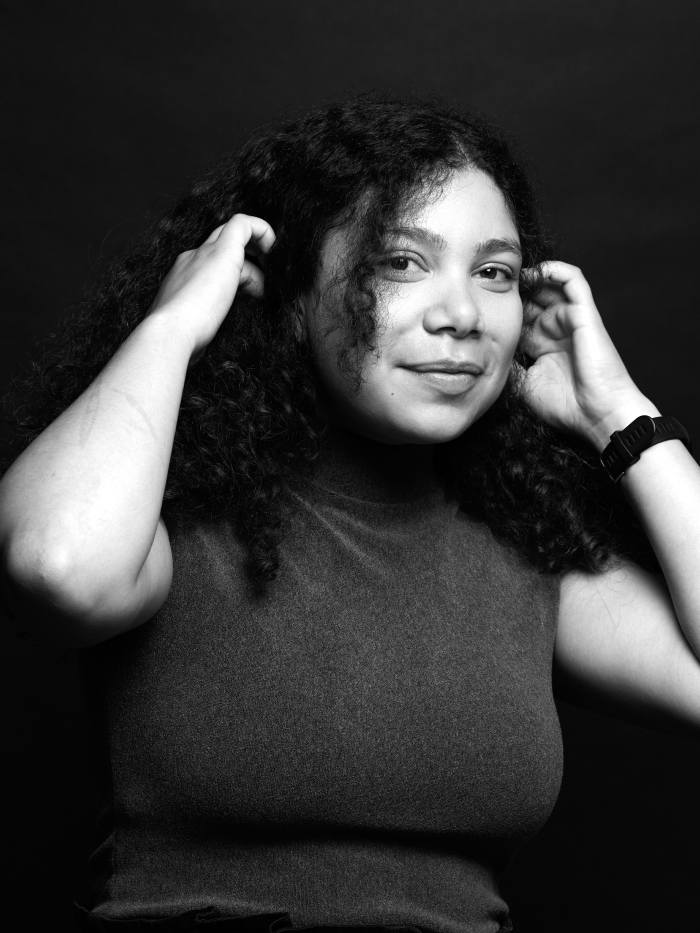
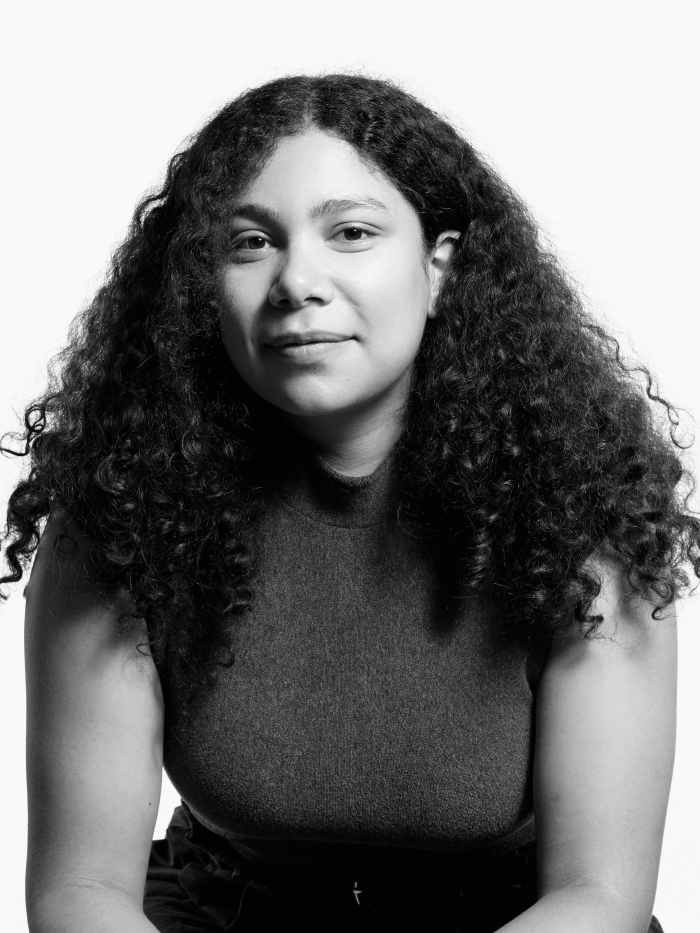
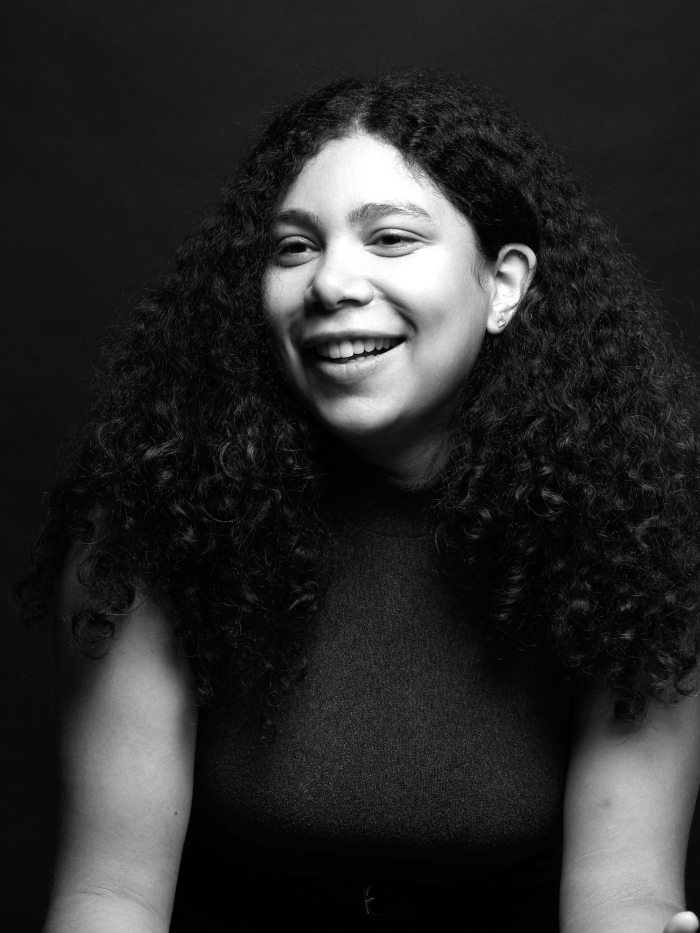

Hanover’s take on:
Finding meaning in the data.
Hanover says all effective campaigns begin with research. She conducts interviews, implements surveys and maps demographics to get a fuller picture of the audiences we’re trying to reach and the issues that matter to them.
Understanding trends, interpreting data and getting feedback reveals the ways people, communities and systems intersect and interact. It isn’t just about validating assumptions.
Hanover says:
“How we frame a question shapes the answers we find. If we ask more thoughtful, expansive questions from the start, we’re much more likely to uncover insights that actually help people.”
Turning findings into insights.
Hanover says hearing directly from audiences reveals patterns that data and spreadsheets alone can’t. Asking questions, capturing responses and identifying common themes turns research into the building blocks of a successful social impact campaign.
Hanover’s research has spanned environmental issues, public transportation and education, all areas in which decisions have real impact on everyday life. When research is grounded in lived experience, people’s needs and perspectives ultimately shape every aspect of a campaign.
“If we do our job well, we’ll see solutions in the data that no one else sees,” Hanover says. “It’s about seeing all communities as valuable and all answers as powerful.”
Lessons from the kitchen.
Before becoming a full-time researcher, Hanover spent years in professional kitchens across the U.S. and Europe. The high-pressure and team-driven environments of restaurants shaped the way she approaches her work now.
“Research reminds me a lot of the hospitality industry,” Hanover says. “Your job is to anticipate what people need and deliver something even more valuable than they expected.”
When she isn’t assembling data, you can find Hanover playing defense for the Seattle Women’s Hockey Club, behind the piano in a jam band, and hosting dinner parties, picnics and reading groups with friends. “I love bringing people together, even if it’s something small,” Hanover says.
Education
Master of Arts, geography, University of Washington
Bachelor of Arts, geography modified with engineering sciences, Dartmouth College