Friends for Life outreach
For Washington State Health Care Authority
Industry
Public health
Behavioral health
What we did
Media buying
Messaging
Co-creation
Community partnerships
Social-change marketing
Meeting youth at high risk where they already are.
Challenge
Friends for Life is a fentanyl- and naloxone-education campaign. It provides different information for people with different experiences, including primary-prevention and harm-reduction messages. But some young people who face a higher risk of opioid overdose didn’t fit neatly into our Friends for Life outreach.
Prevention materials shared by schools and coalitions weren’t reaching them. Neither were harm reduction materials delivered through syringe service programs and local health jurisdictions. Our challenge was to find ways to bridge the gap where these young people were being missed.
Insight
For young people ages 14 to 25 in these “bridge” populations, we learned the most effective messages landed somewhere between prevention and harm reduction, whether the young people personally used substances or not.
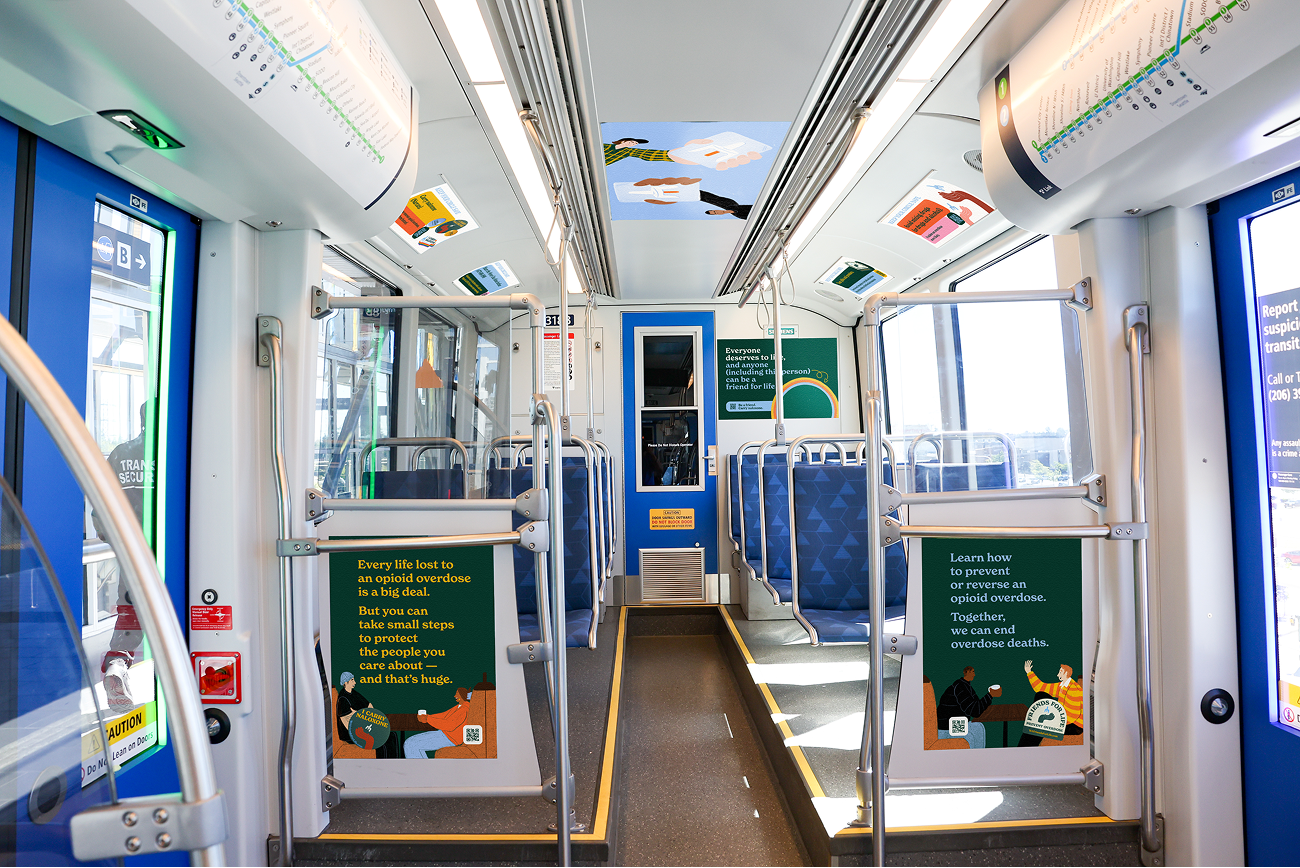
And where to reach them mattered as much as what to say. Out-of-home media in places like bars, raves, downtown sidewalks and shelters gave us better access than classroom or health spaces could.
Solution
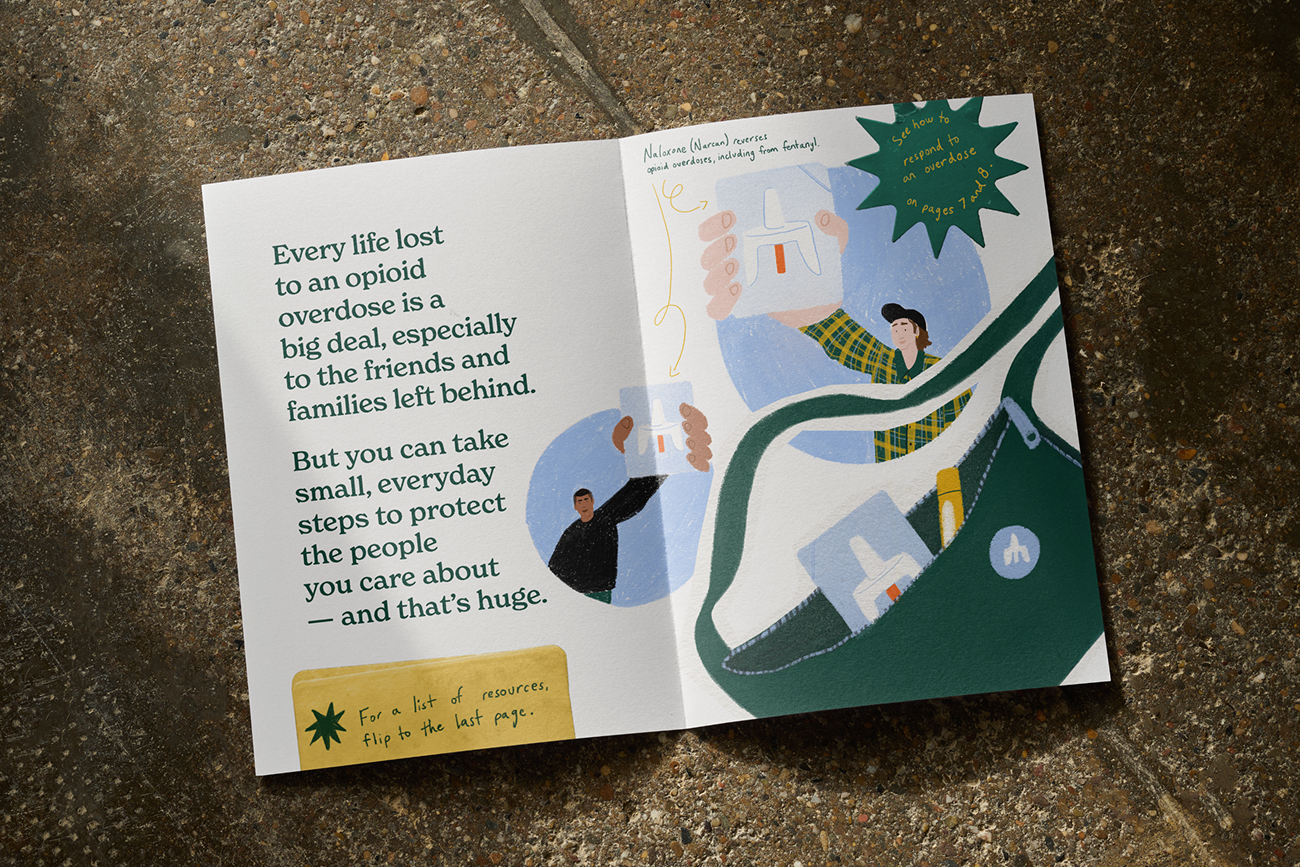
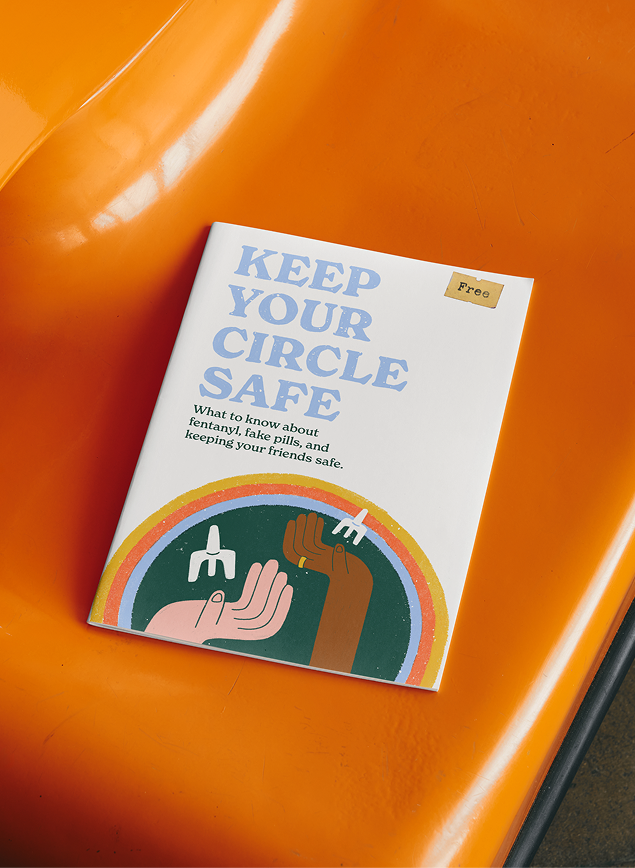
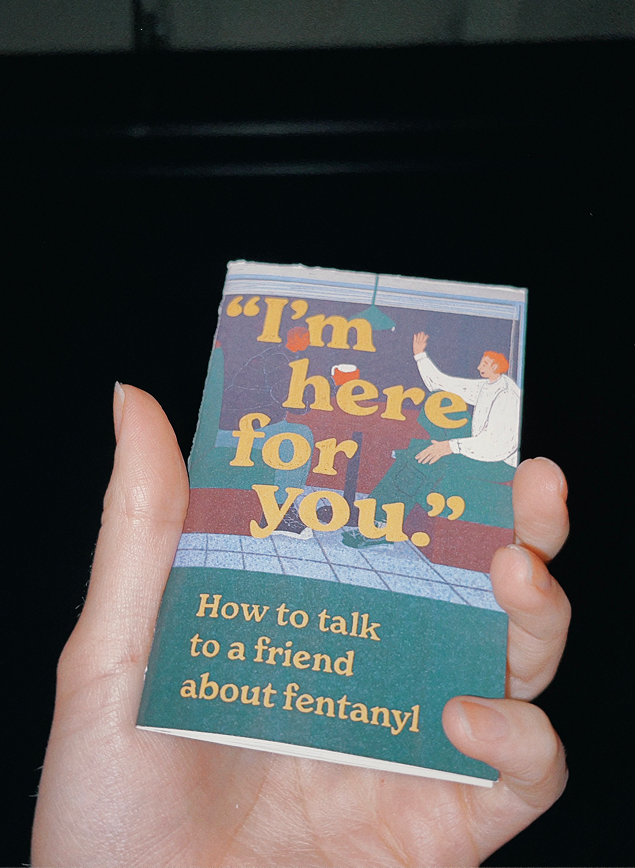
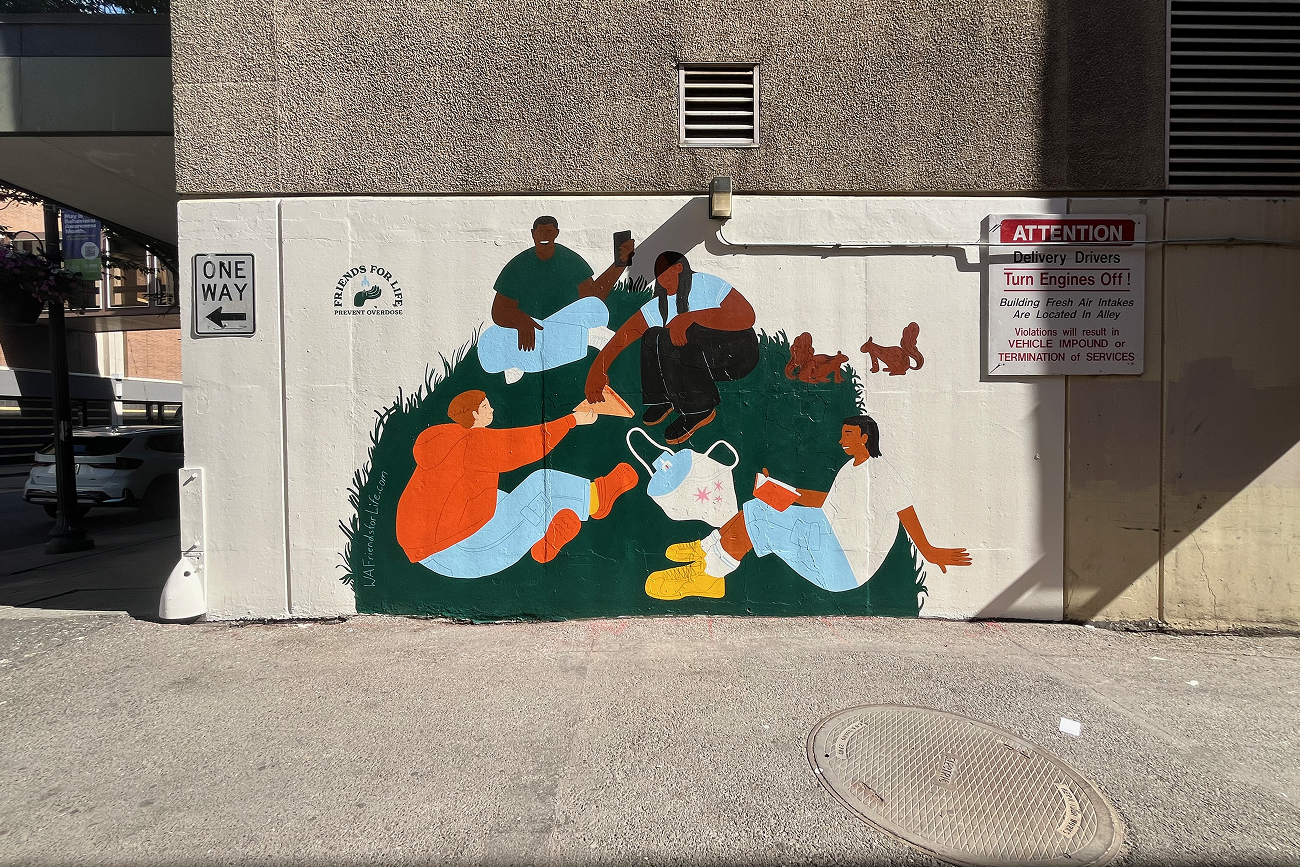
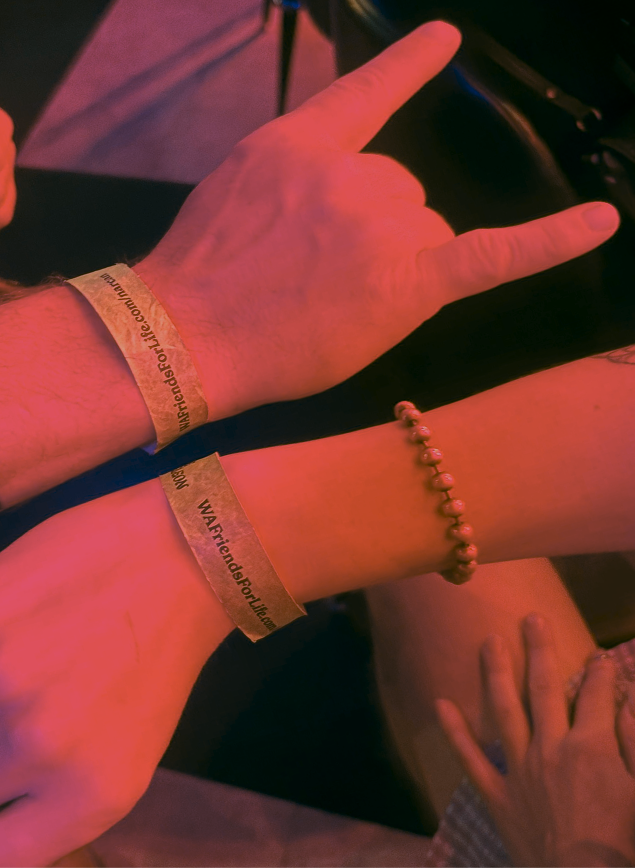
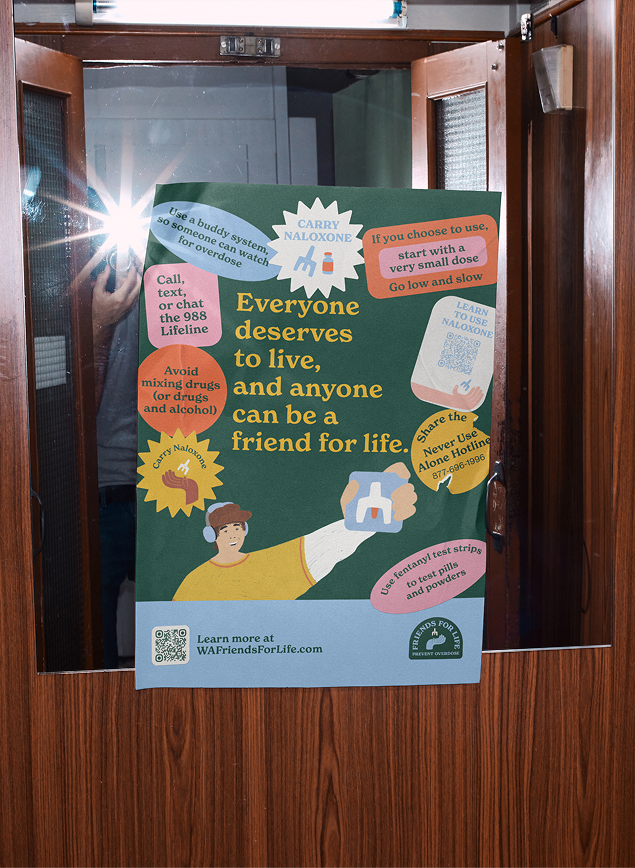
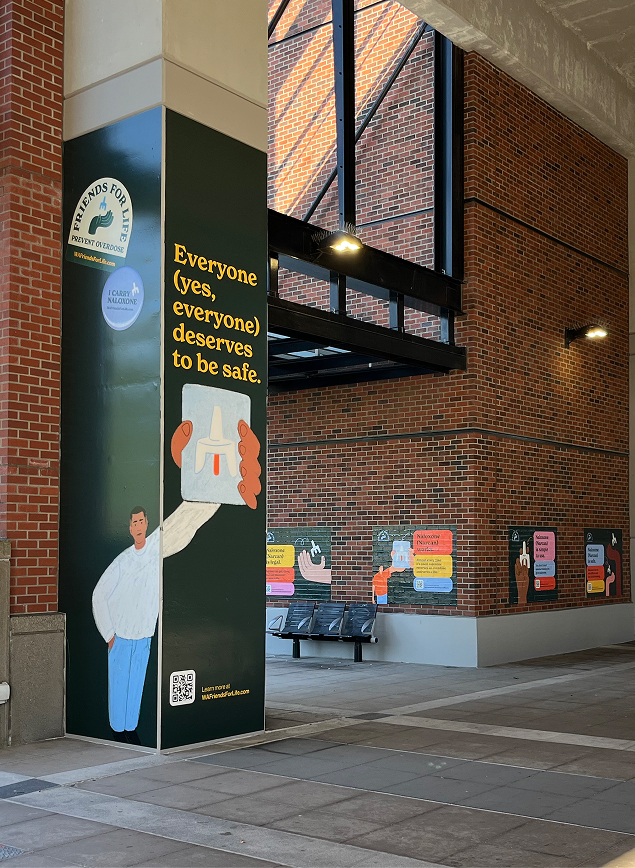
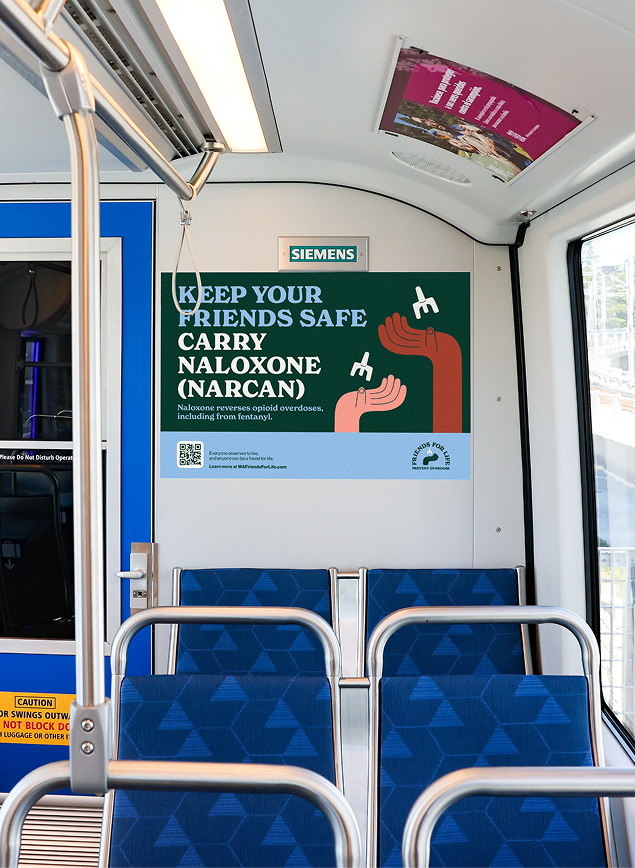
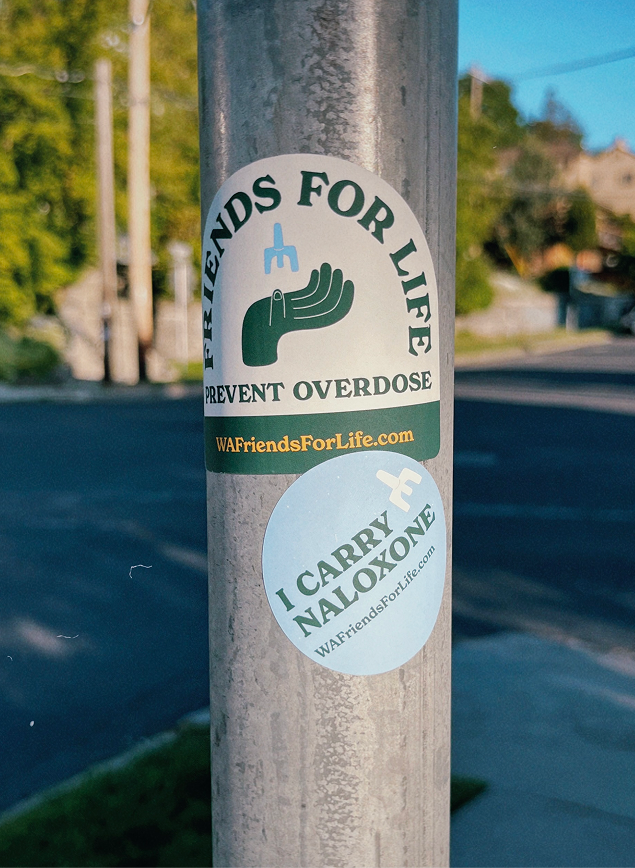
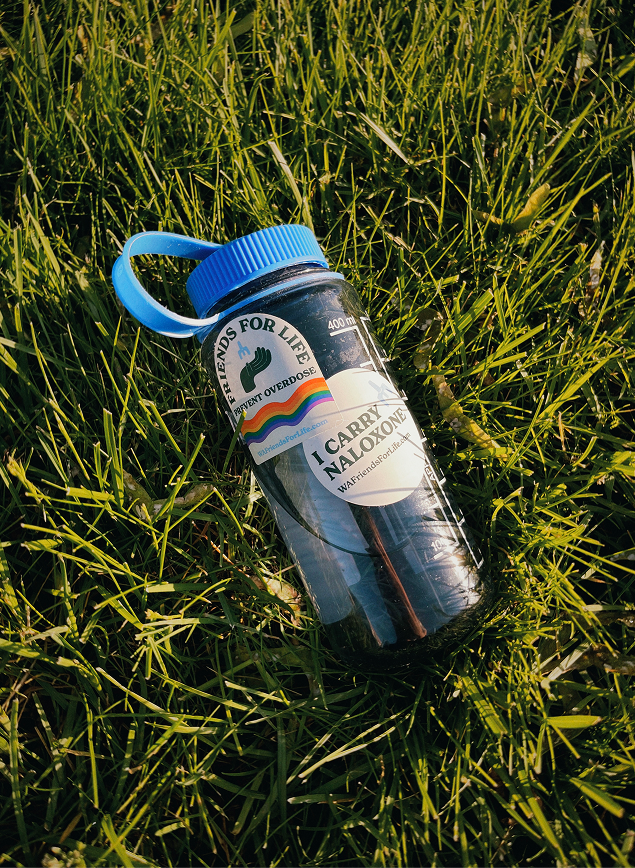
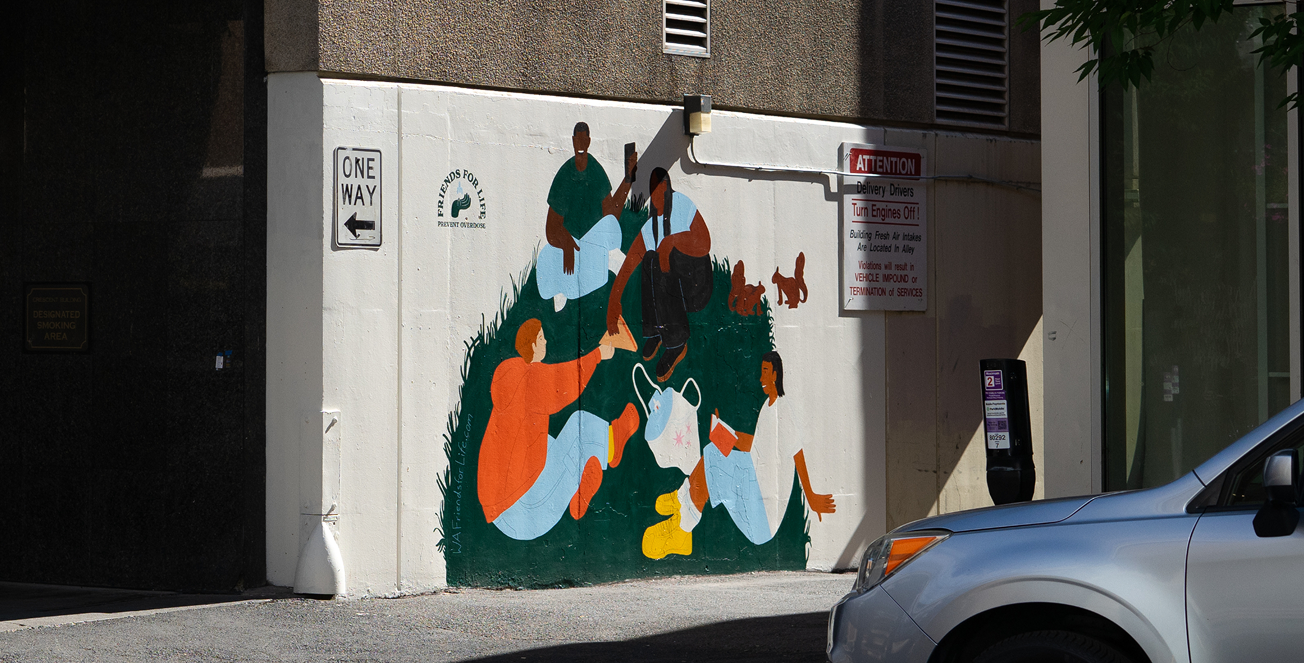
Our media team explored unconventional options. Posters and other print materials went out to youth-serving shelters. Bars, live-music venues and traveling raves used branded wrist bands, bar coasters and announcements between sets to give attendees information about the campaign and naloxone. On social media, we partnered with a Seattle-based rave influencer and co-designers across the state to make on-trend, educational content. We also made a lo-fi zine for young people without good internet access. In Spokane, young artists helped us paint a public mural downtown.
Results
Click-through rates on co-designed videos consistently outperformed platform averages. Our influencer partnership drove 2.1 million impressions, and venue partnerships put naloxone information in front of roughly 4,000 eventgoers across Seattle and Spokane. Posters reached shelters statewide, and over 20,000 passersby see the mural in Spokane each week.
These reach numbers are impressive. But we also measure campaign success by how it affects people’s lives. A staffer at one venue partner said, “Just a week after we partnered with Friends for Life … a patron became unconscious.” The staffer administered naloxone and credited the partnership and campaign information for helping them feel prepared.