
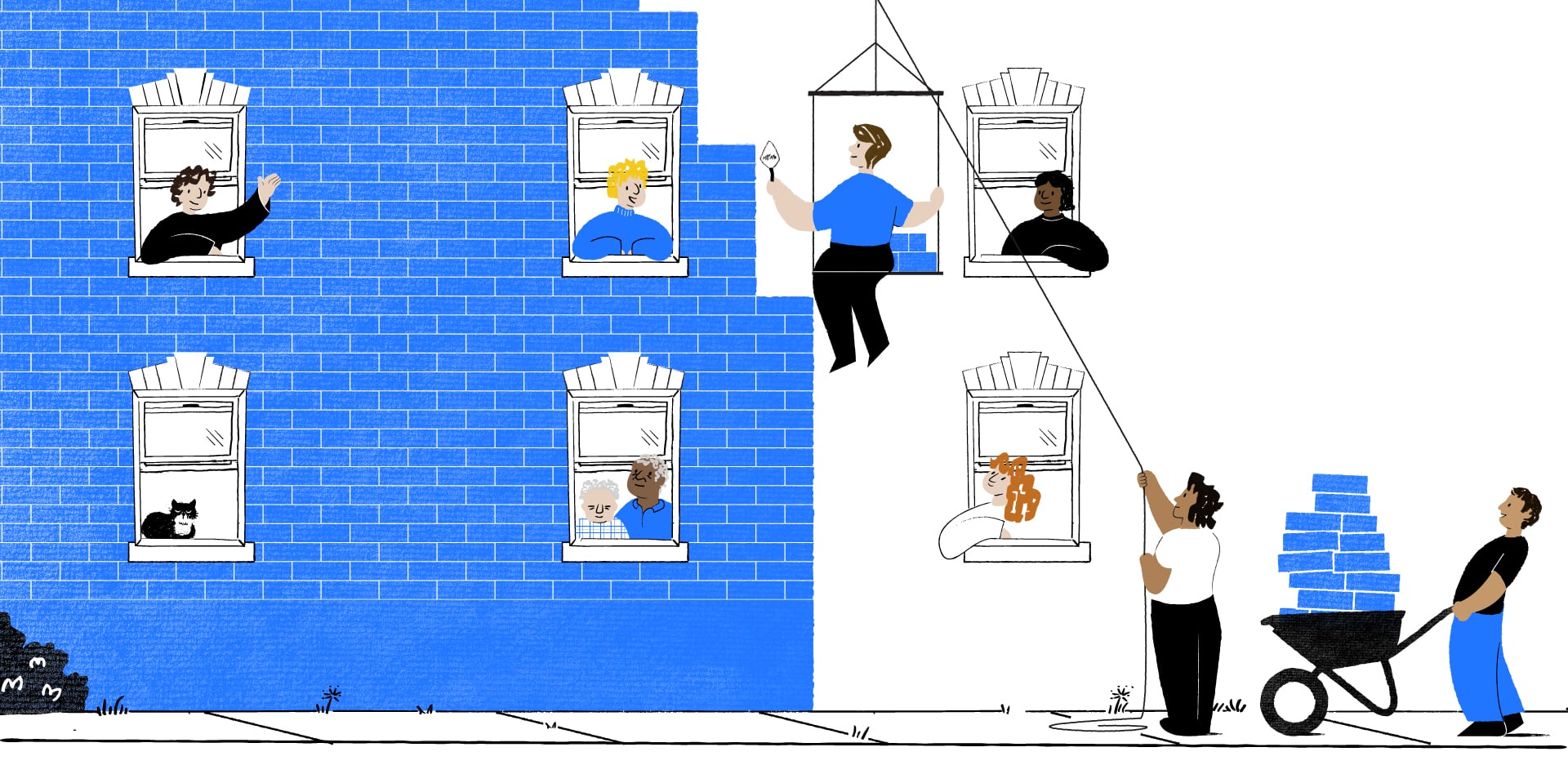
Real change is built on a solid foundation. Relationships and trust go in first — the ask comes much later.

By Brie Adderley
Associate Vice President
Many organizations and leaders who care deeply about an issue have a clear sense of what they want to make happen. Whether that’s championing new legislation or building support for an initiative, they know what needs to change.
They’re less sure how to create the public conditions that make change possible.
That’s the work of issues advocacy, a public affairs practice at DH. We help shape public understanding and trust so that policy, community or institutional change becomes possible. Issues advocacy sits upstream of direct lobbying, campaign consulting or policy development, and is the connective tissue between public perception and policy outcomes that a lot of organizations are missing.
Start with trust and relationship building.
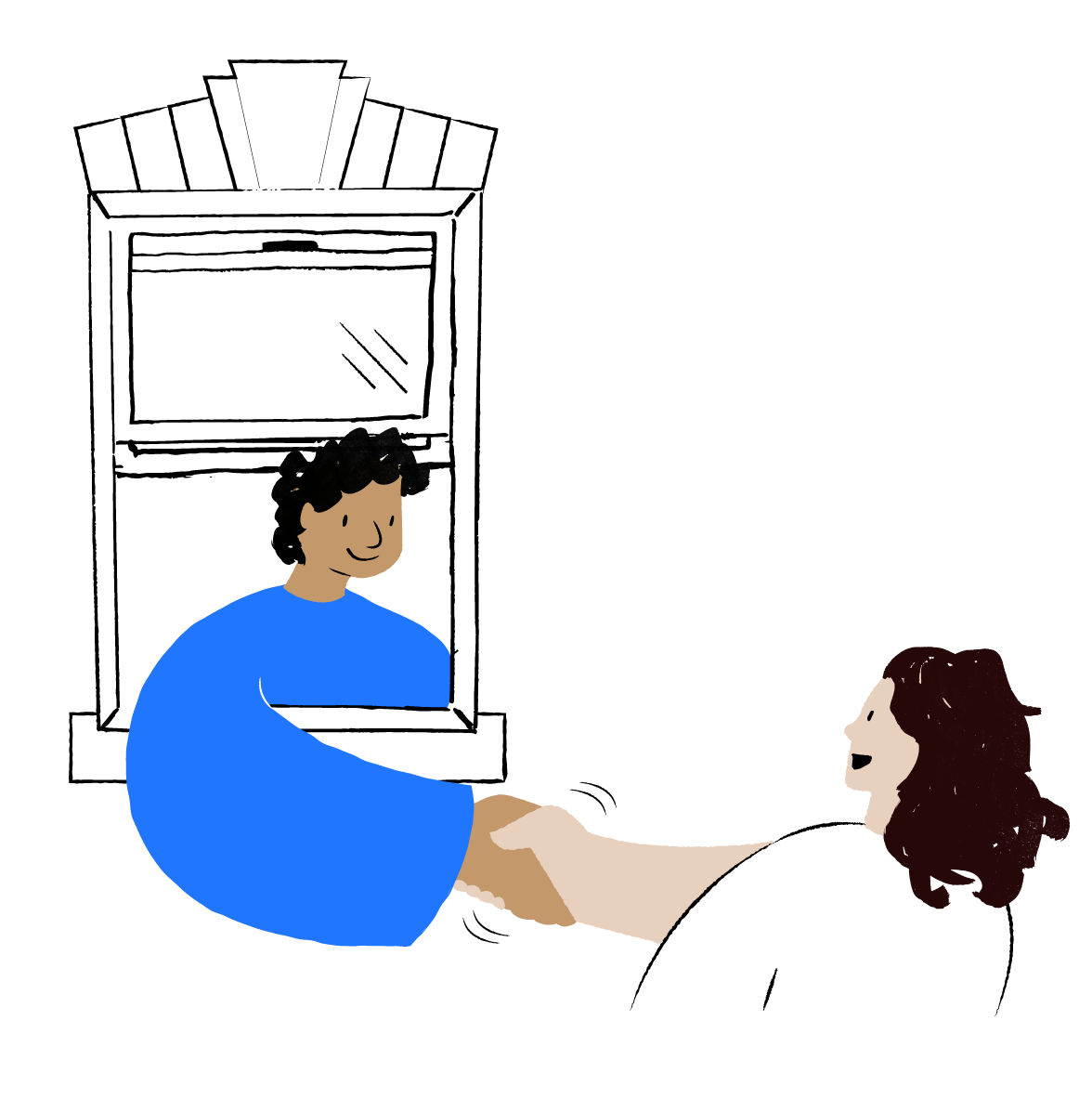
Trust is not a byproduct of advocacy, but the prerequisite. Build it first, and your message has somewhere to land. Skip it, and even a good message reads as noise, or worse, as disingenuous.
We see many organizations leading with the ask, but the more effective approach is to invest in relationships long before you need to activate them as champions. In practice, that means showing up at community meetings, connecting with civic and government partners, and engaging with influencers across sectors consistently — not just when an issue is hot.
Durable, cross-sector relationships give you a running start when an issue arises. DH has spent years building a partner network in Seattle and across Washington state because we know trust is an asset that outlasts any single campaign, decision or funding cycle.
Know who you’re reaching.
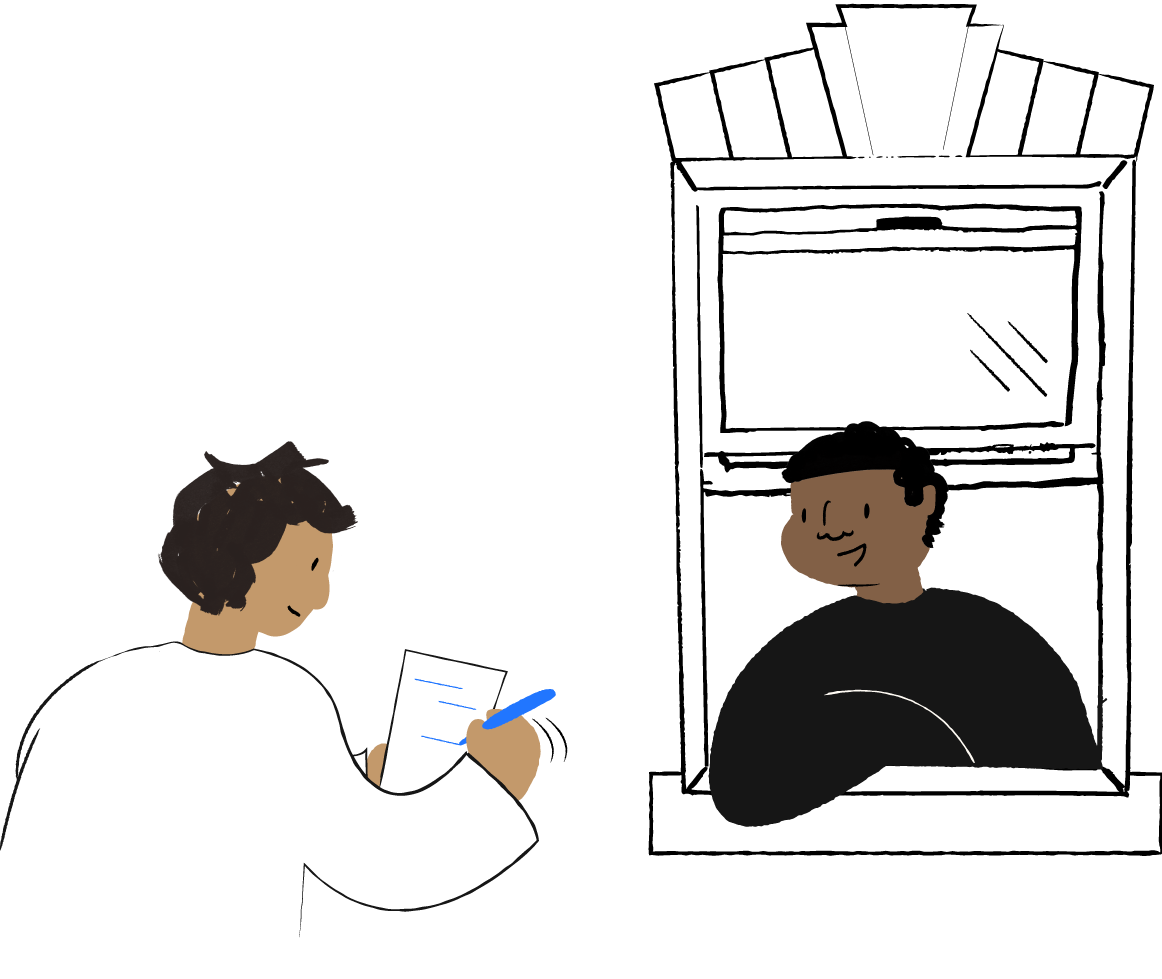
Before you can build community support, you have to understand who your community actually is. For that, you need to do your research — and here’s a crucial element that’s often overlooked. Research isn’t a preliminary phase that ends when advocacy begins. It’s an ongoing strategic input that shapes the work as it unfolds.
That means understanding not just who holds power, but who holds influence and who’s most affected by the change you want to make. Relationship mapping, audience analyses, message testing, and readiness assessments all serve one purpose: centering the voices of the people an issue impacts, not just the loudest or best-organized. Campaigns built on assumptions fail. Campaigns built on genuine understanding of community needs, values and information succeed.
Build support before you make the ask.
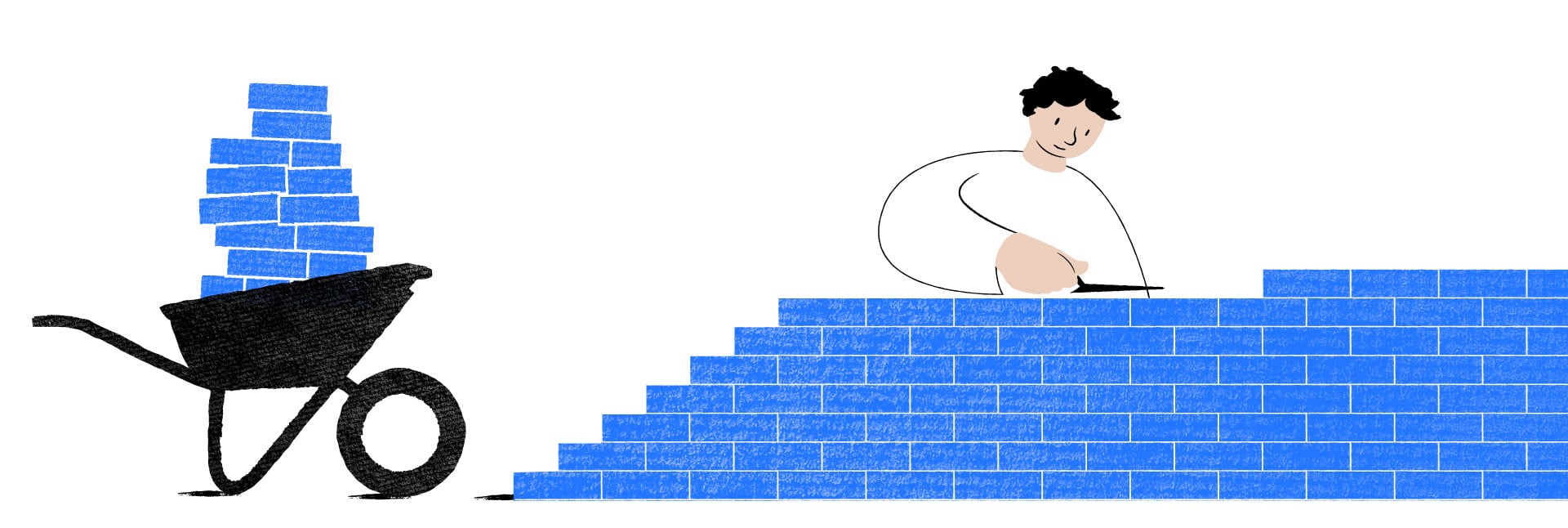
The ask — a policy vote, a funding decision or community approval — is a culminating moment, not a starting point. Important legwork must come first. That includes narrative development, stakeholder and community engagement, coalition building, and demonstrated alignment between an organization’s goals and a community’s priorities.
When public support is real and visible, it gives decision-makers the cover and confidence to act. When it’s absent, opposition can fill the vacuum. The absence of a trusted narrative is an open invitation for competing ones. The most convincing proof here is any organization that earned community confidence before a major decision could move forward. The Seattle Convention Center expansion project is a great example.
The work doesn’t end with the win.
Advocacy isn’t a campaign with a finish line. The issues that shape strong, healthy communities — infrastructure, education, healthcare access, economic development, environmental policy — have long-term impacts, and engagement has to match that longevity. Decisions made today shape conditions for years.
That’s why what happens after a win matters as much as the win itself. Communities that feel genuinely engaged become durable allies, whereas communities that feel used or tokenized become skeptics. Staying credible — not just momentarily persuasive — means continued presence at civic events, a narrative strategy that evolves as conditions change, and responding when the political environment shifts. Organizations that sustain that credibility don’t start from zero when the next challenge or opportunity arrives.
What this means for your organization.
The through line is simple: Build trust, then knowledge, then support, and then sustain the engagement. Each step makes the next possible, and trust is your most durable asset.
If you’re facing a complex issue, a fast-moving policy environment, or a funding ask with community implications, issues advocacy helps you navigate it with integrity and effectiveness.