For Our Lives youth campaign
FOR WASHINGTON STATE HEALTH CARE AUTHORITY
Industry
Public health
Healthcare
What we did
Video
Web
Co-creation
Messaging
Media buying
AWARDS
To keep it real, we leaned into co-creation.
Challenge
The For Our Lives fentanyl-overdose prevention campaign had been reaching Native people in Washington for several years, sharing life-saving information while building brand recognition. But Tribes identified a need to reach Native youth specifically.
Our challenge: Create a new chapter of For Our Lives that would embody its personal storytelling-based approach but stand out as distinct. It had to provide important information but feel relevant and relatable to Native youth, and reach them in real-world environments.
Insight
Our research showed us that young people value “realness,” flaws and all. Especially for Native youth, real life often includes close, supportive relationships with adults, including extended family and other community members.
Because intergenerational relationships tend to be highly valued in Native cultures, adults can and do help youth gain skills, knowledge and resilience to protect themselves against overdose. Adults also help youth develop a strong sense of Native identity and connections to culture — more protective factors.
Solution
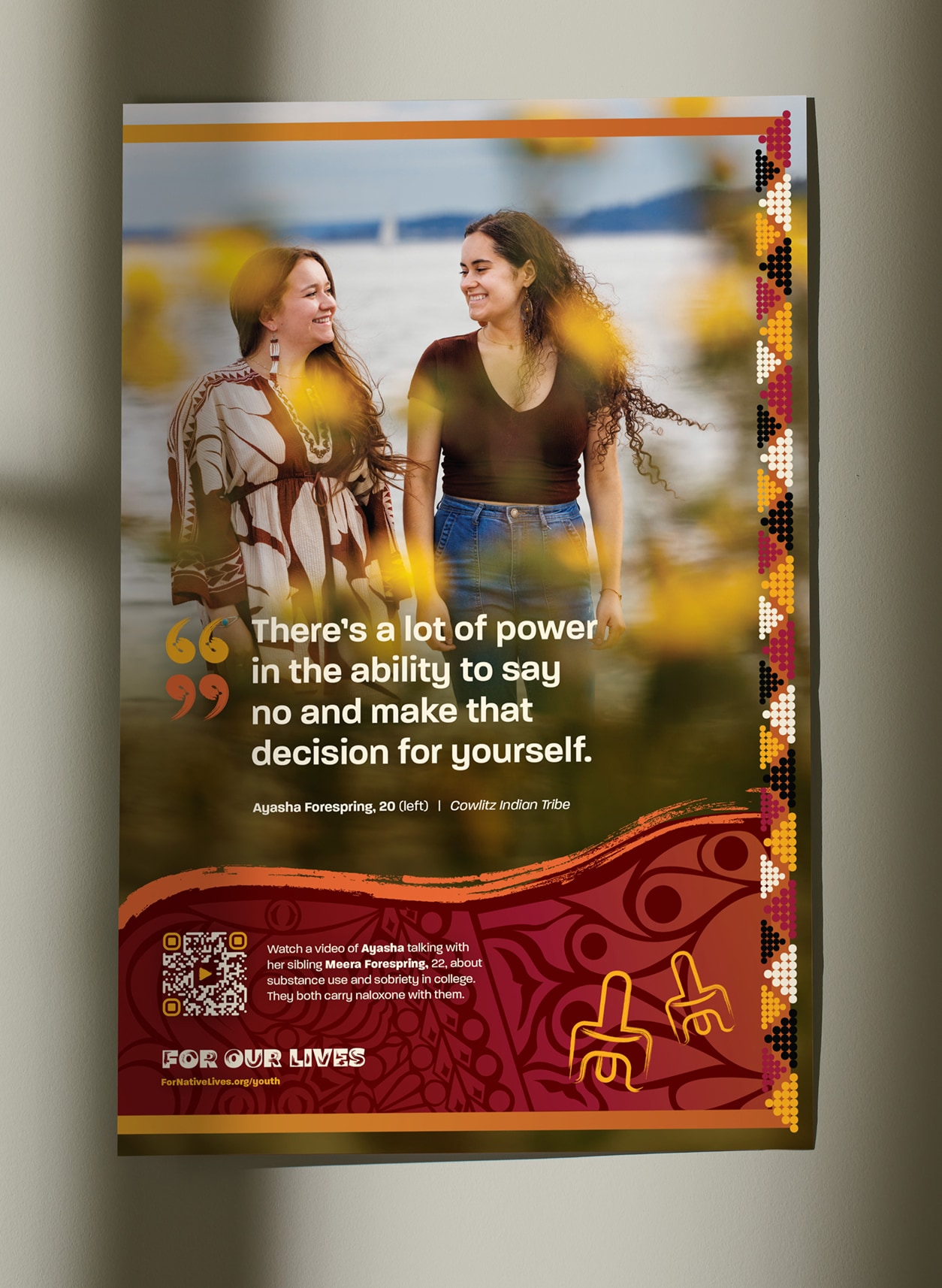
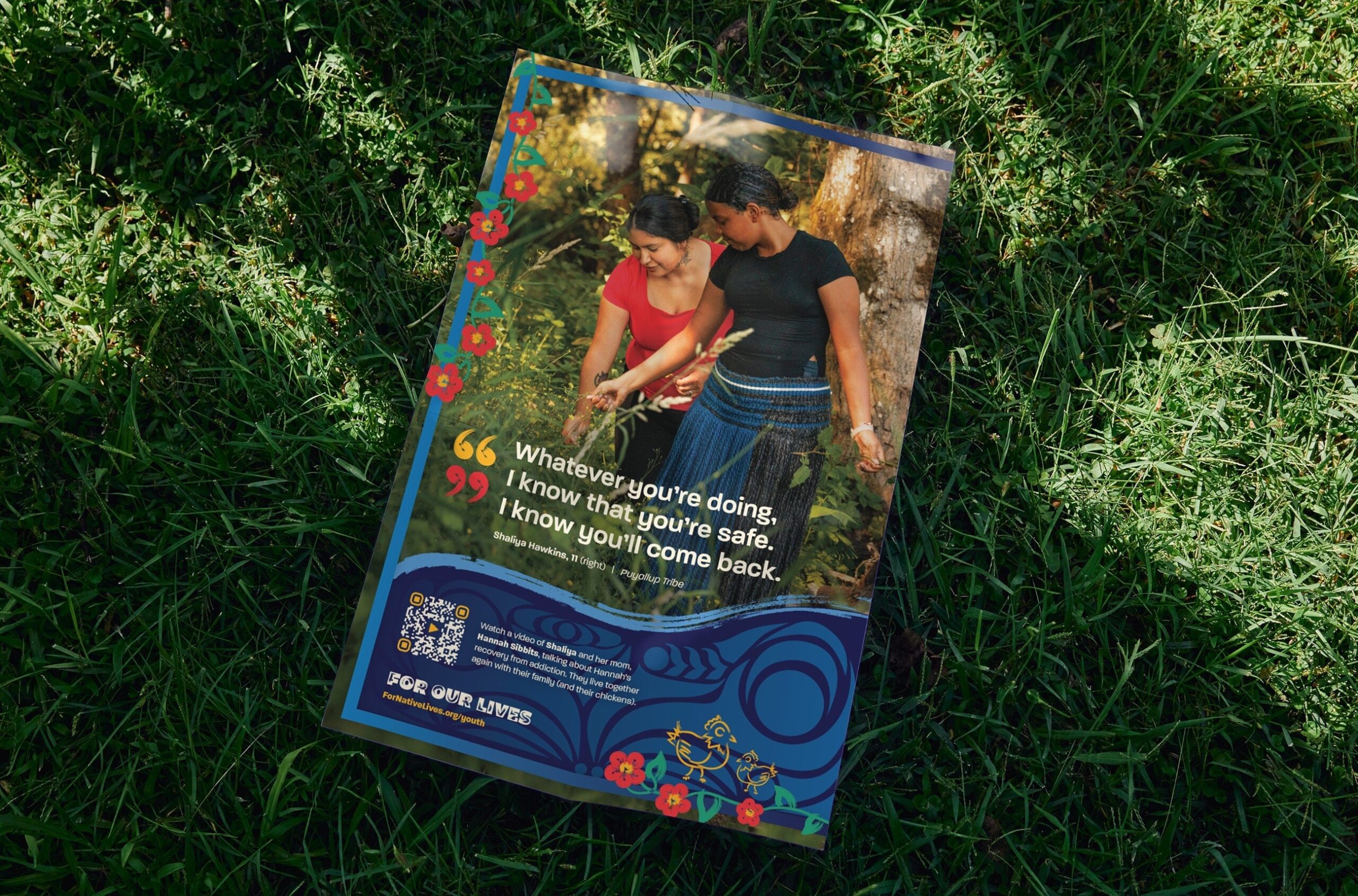
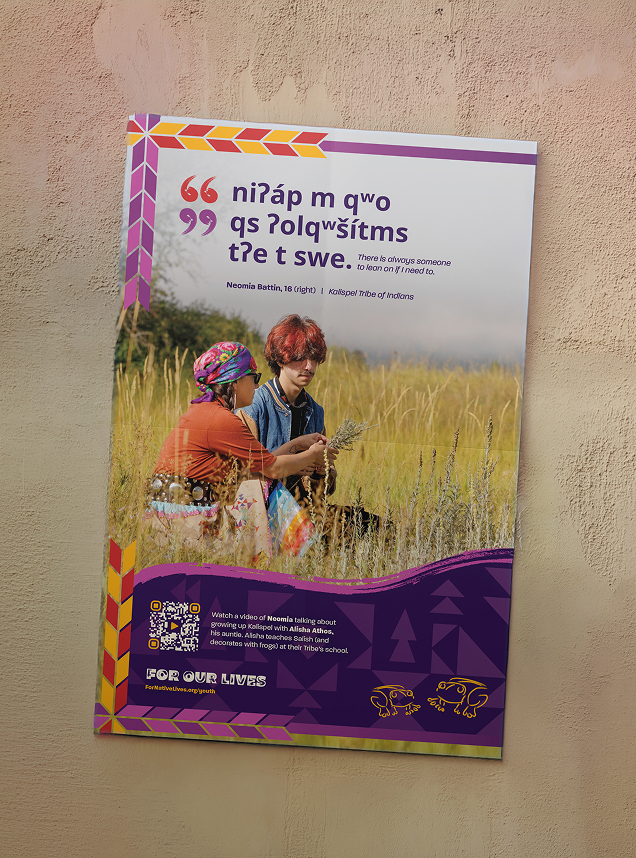
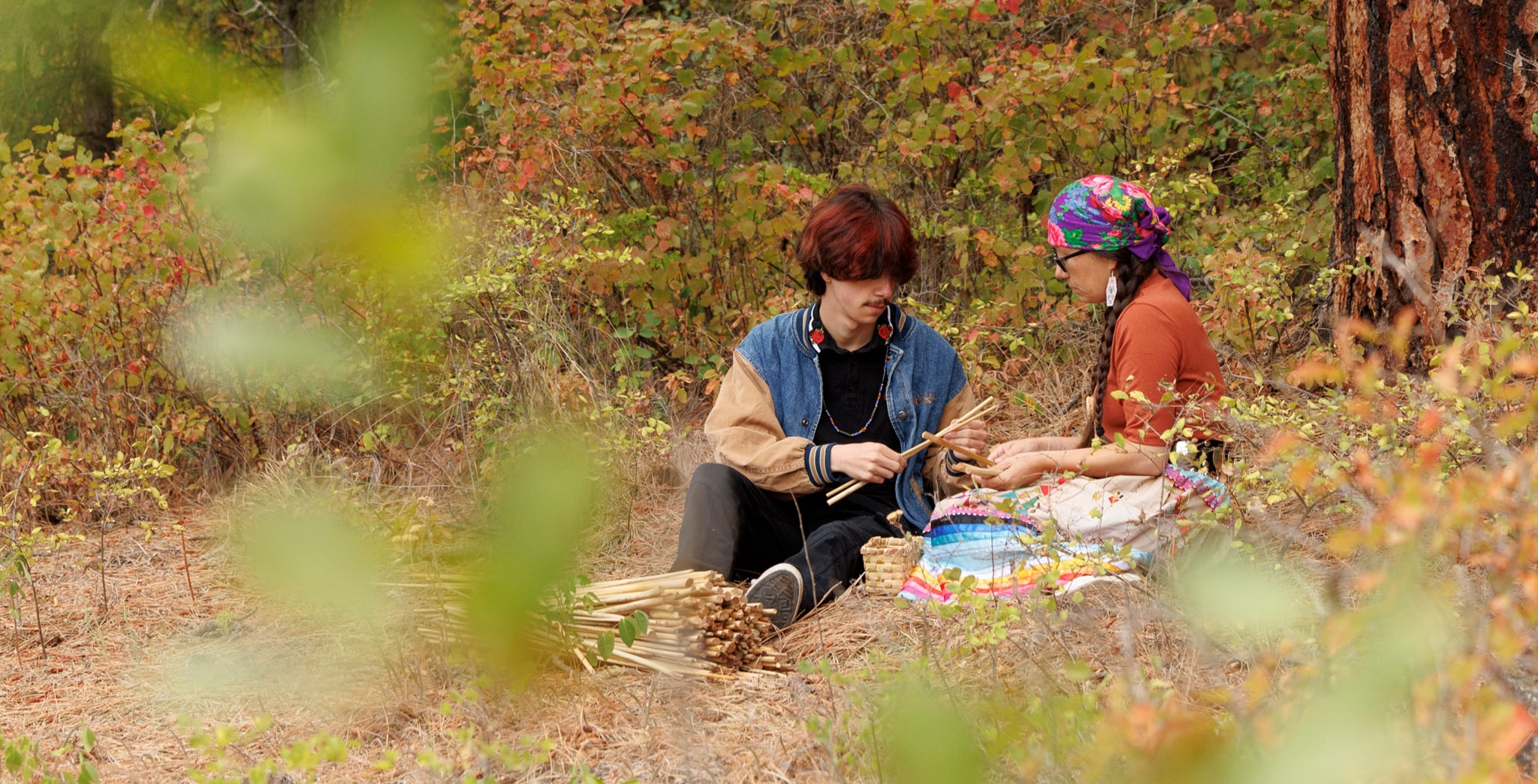
We built the For Our Lives youth campaign around real, unscripted conversations between Native youth and supportive adults in their lives, including a parent, auntie and older sibling.
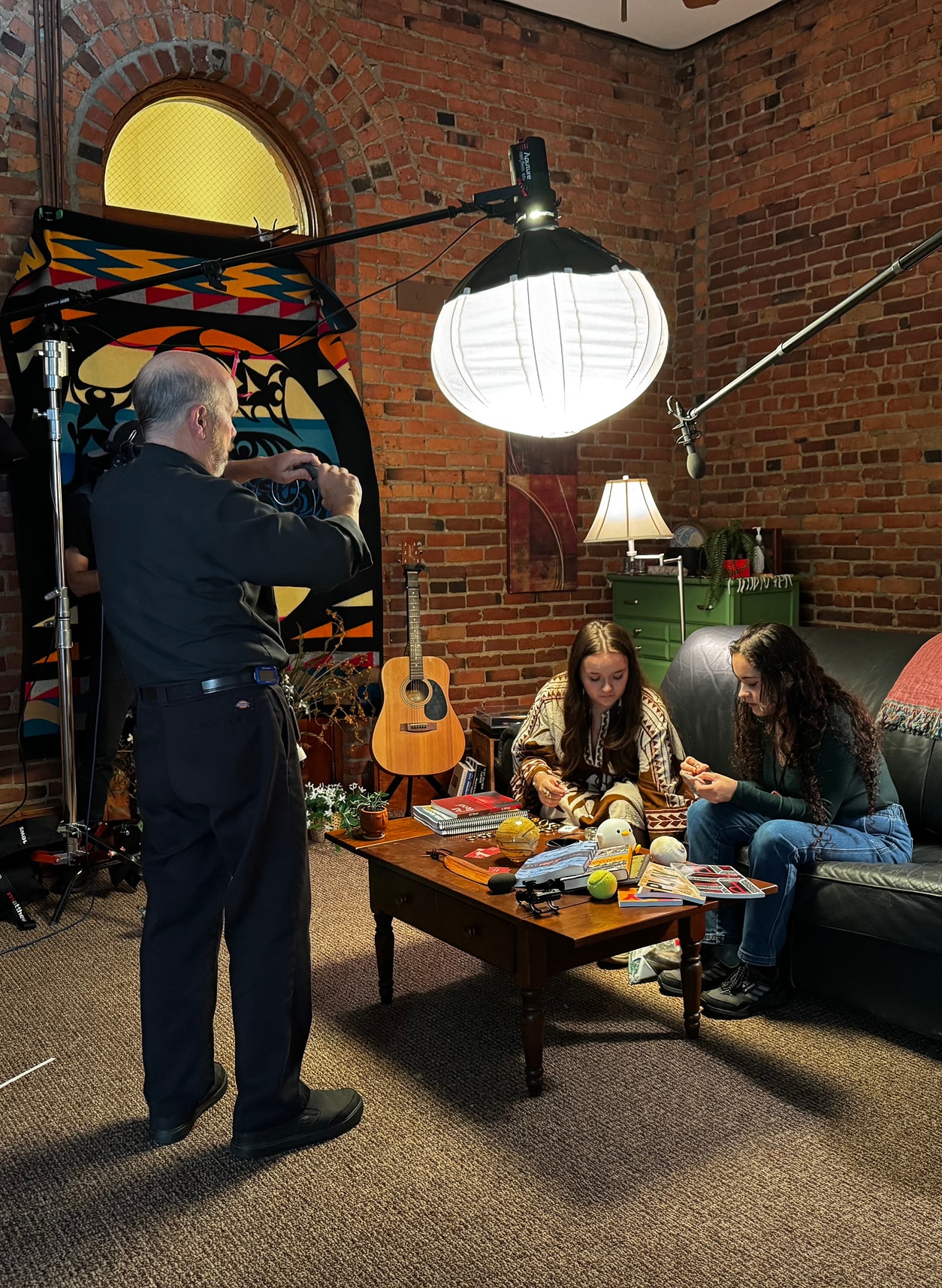
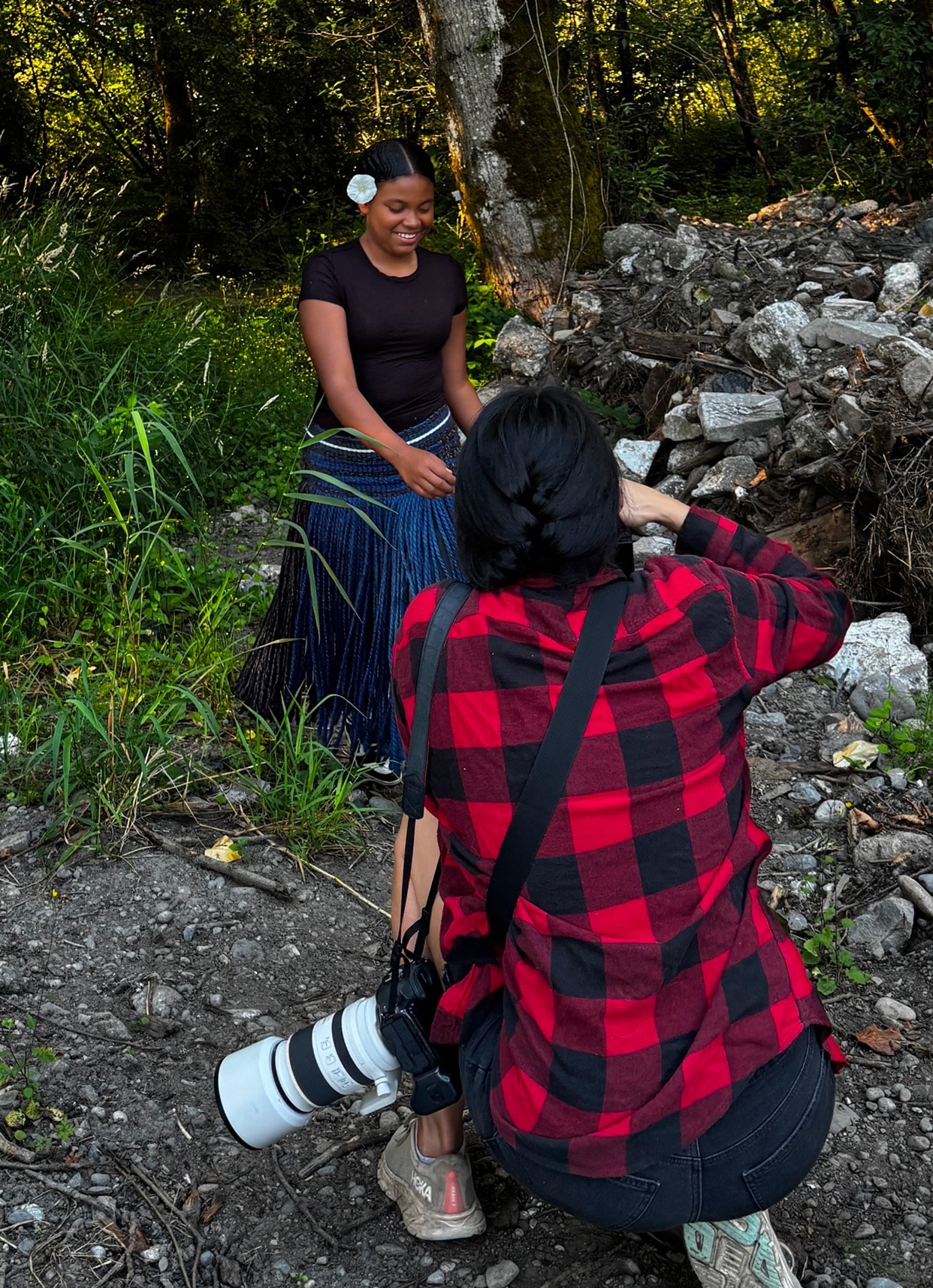
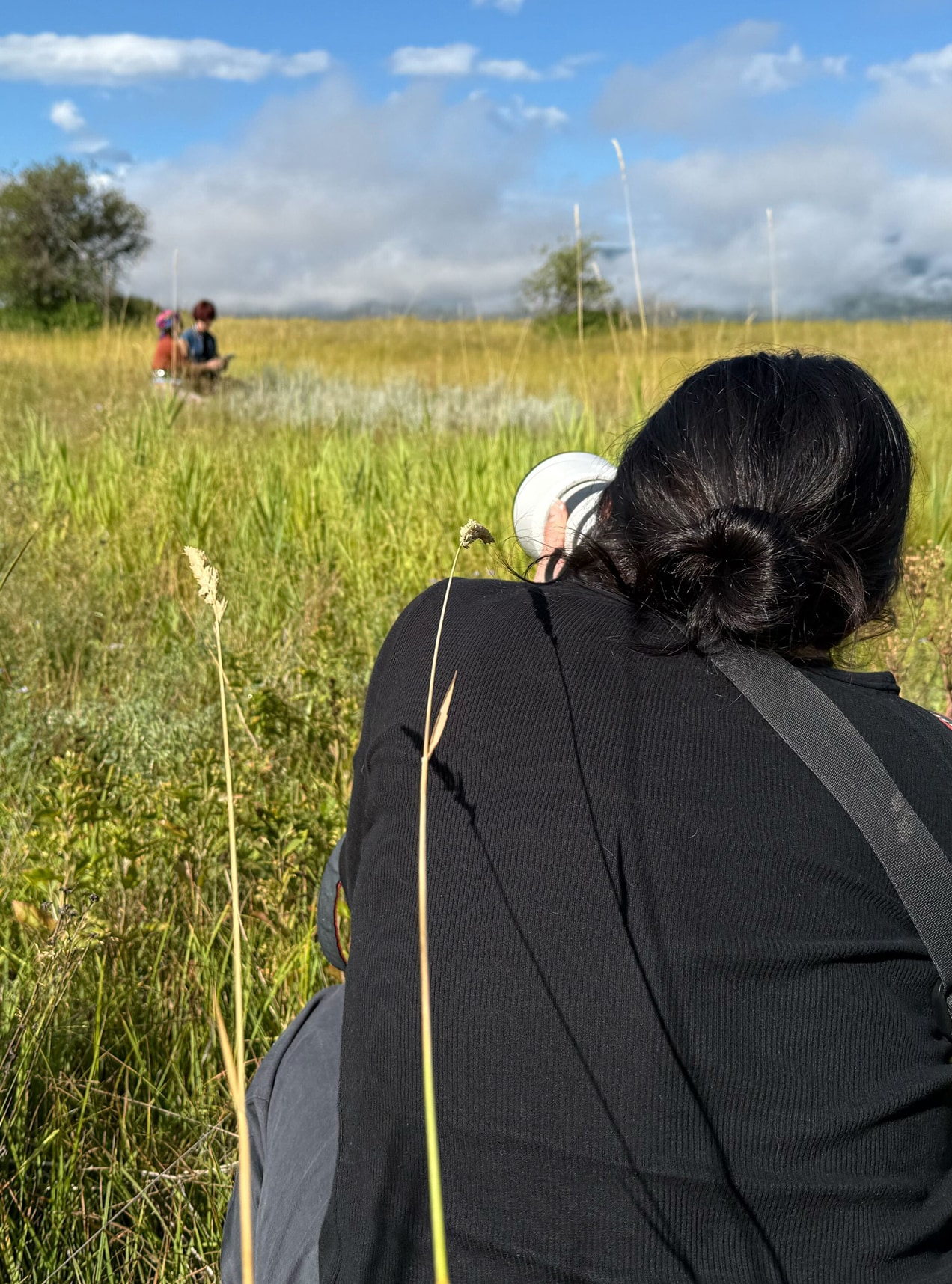
Participants interviewed each other on camera about substance use and campaign core messages: life with a parent in recovery, refusal skills, the protective role of culture. Native-owned film company Sky Bear Media shot and edited the spots. Salish and Kootenai photojournalist Tailyr Irvine made images of each pair for print and digital collateral.
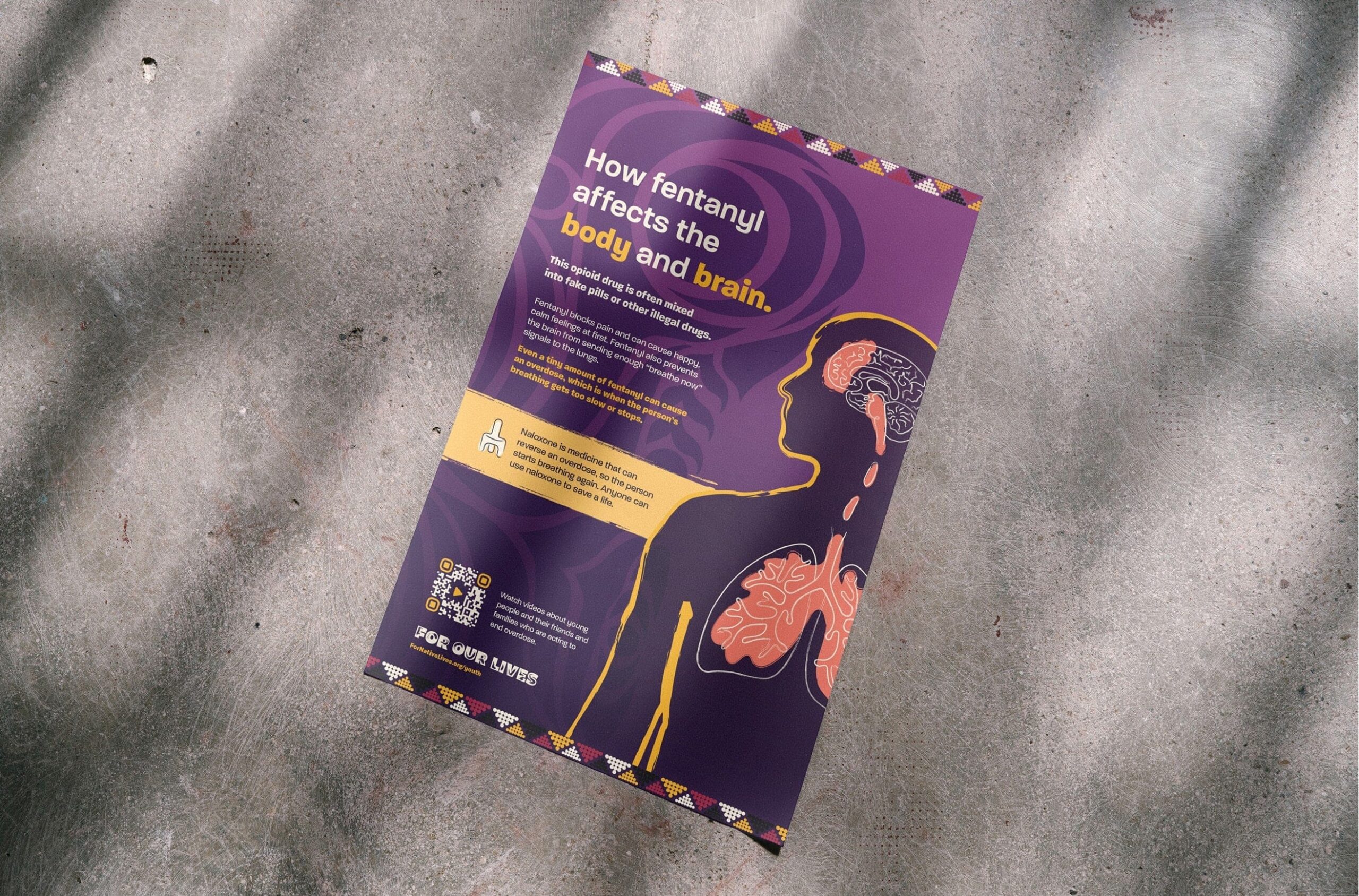
We also worked closely with Freddy Throne, an artist and Spokane Tribe member, to create graphic elements that infused the campaign with color and pattern. Freddy created vibrant illustrations reflecting participants’ lives.
Results
We designed a media buy that reached youth in familiar, trusted environments in Native young people’s real worlds: movie theaters and schools. These settings supported recall and social reinforcement while delivering exceptional reach — more than 155 million impressions. Anecdotally, we heard that viewers recognized campaign stories as relatable and real, reaching out to campaign co-creators. One participant told us: “Wow! We had no idea our story would be reaching so many people!”