
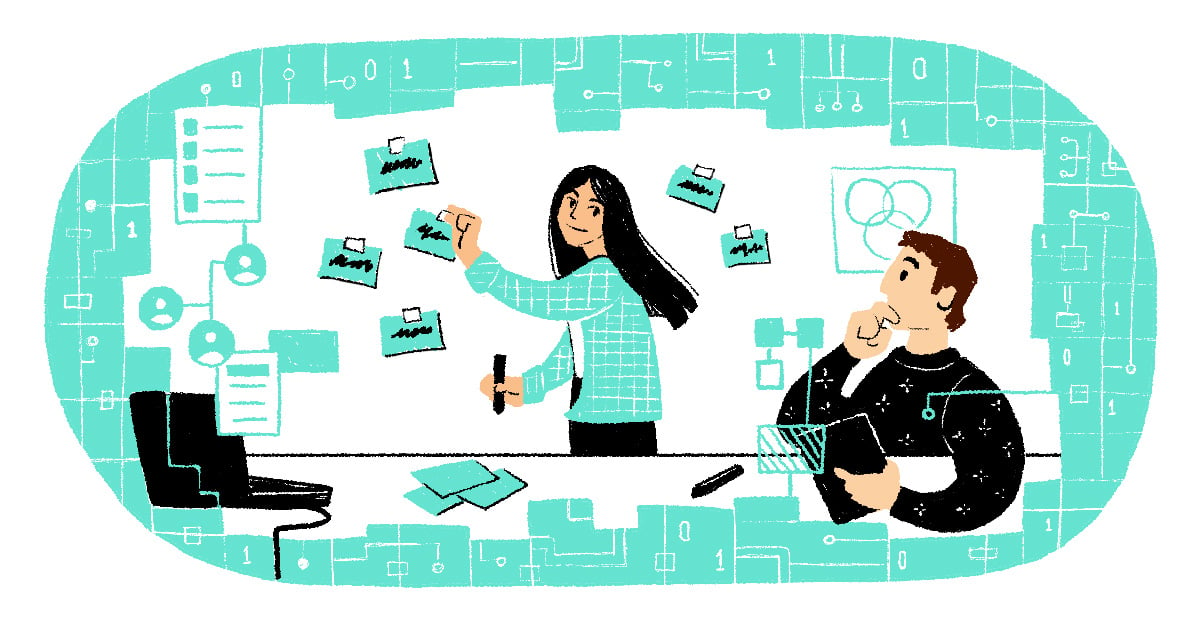
When we ask the right questions, communicators can use AI to strengthen human connection.

By Kaelynn Crume
Digital Director
When we’re thinking about AI at our social impact agency, we’re not aiming for that 10% efficiency gain or to “cut out the middle man” to directly produce communications and marketing campaigns.
We’re thinking about people. We’re thinking about how to create communications that endure in a rapidly automated world.
We’re thinking about how AI can democratize power in communications. We’re thinking about how AI can deepen human connection by making the right opportunities easier to find.
Building AI to bring people together.
We recently put that thinking into practice. The Washington State Department of Health’s Find Your People initiative helps older adults build social connection. As part of the campaign, we developed an AI-enabled matching tool that connects individuals to activities and programs tailored to their interests and needs.
Users answer a few simple questions about where they live, what they enjoy and any barriers to connection they face. In seconds, they receive a list of local activities, personalized to their hobbies and preferences, designed to encourage them to find new connections. This was not previously possible at scale.
The result: technology that strengthens human connection.
Find Your People uses AI to match older adults with community activities.
We use AI to design tools that make it easier to find human connection. Find Your People helps older adults find meaningful ways to connect with others.
Questions we ask when approaching AI.
AI is reshaping who holds power, who benefits, and who gets left behind. That’s why our AI decisions start with better questions:
- In what ways will this improve the work, and where could it introduce harm?
- Does AI meaningfully enhance outcomes, or are we using it for convenience?
- Who benefits from this system, and who may be excluded?
- What human oversight is required to ensure accountability?
- Where does AI belong in this workflow, and where does it not?
- Are we increasing access and clarity, or adding noise and complexity?
- What safeguards must exist before this tool goes live?
Our role is not to push AI adoption for its own sake. It is to help clients and partners determine where AI belongs in their work. We can help clarify intent, identify meaningful uses, establish ethical guardrails and design systems that serve people first. That clarity of intent is what we call human-centered AI.
Bringing discernment to human-centered AI.
There’s a temptation to use AI for AI’s sake, but communication requires discernment. Humans can navigate ambiguity, weigh trade-offs and make decisions rooted in their values. Each person brings their own skills and perspectives.
Communicators also bring:
- Context and lived experience.
- Emotional intelligence.
- Values-based decision-making.
- The ability to navigate ambiguity and trade-offs.
These are not technical skills that can simply be trained into a system. But they can shape the systems we build. When we align as a team around shared standards, AI becomes a powerful first-pass tool, applying those standards consistently and at scale.
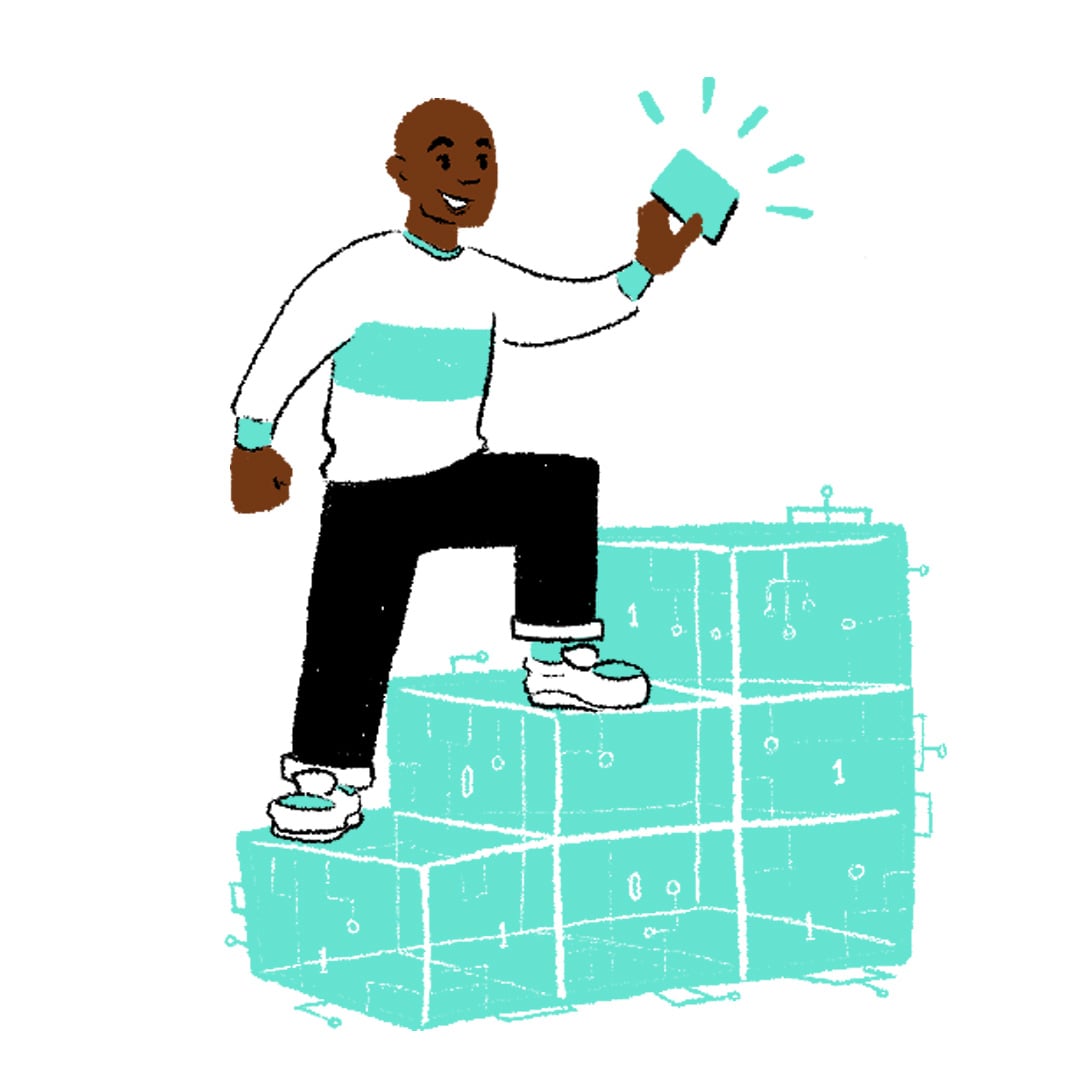
DH uses AI as a tool for human communicators to build with. People bring skills and perspectives that AI can’t.
Designing for clarity, accessibility and fairness.
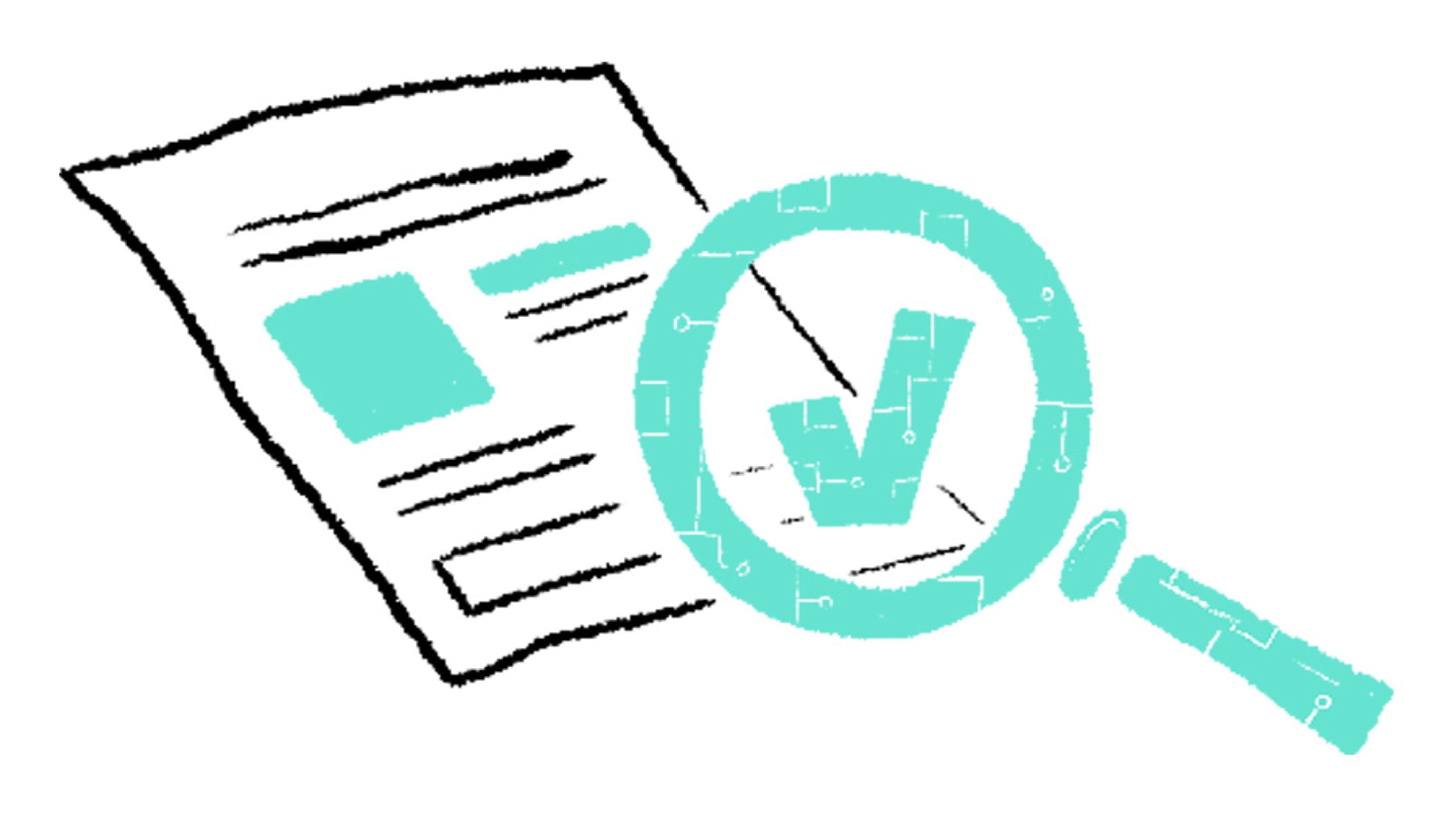
One way we apply this approach is through a living language guide powered by AI. We use it to flag jargon, find opportunities for plain language and identify phrases that may unintentionally cause harm. It also helps us identify our own biases.
This guide is just one tool of many. Ultimately, our own team members provide expertise paired with a nuanced understanding of the ways humans communicate.
Using human-centered AI for social good.
AI can help us create meaningful impact with integrity. We’re not asking, “What can we do with AI?” We are asking, “What should we do with AI?”
As an agency, we see AI as a tool to innovate in social change that remains rooted in trust, equity and human connection. It opens the door to new ways of creating impact without losing sight of the people and communities at the center of the work.